Agente Secreto: From Comic Parody to Brazilian Oscar Contender – A Tale of Two Films
The evocative title "Agente Secreto" might conjure images of a singular, evolving narrative, perhaps one that began as a lighthearted comic and matured into a profound cinematic drama. However, the truth is even more fascinating: "Agente Secreto" is a moniker that encompasses not one, but two distinct and compelling works, each leaving an indelible mark on their respective cultural landscapes. One originated as a beloved Spanish comic strip, evolving into an acclaimed action-comedy film adaptation. The other is a powerful Brazilian drama, recently lauded as a strong contender for the 2026 Academy Awards. Join us as we unravel the captivating journeys of these two productions, exploring their unique origins, impacts, and the intriguing coincidence of their shared translated title.
The Hilarious Roots: Unpacking Anacleto, Agente Secreto
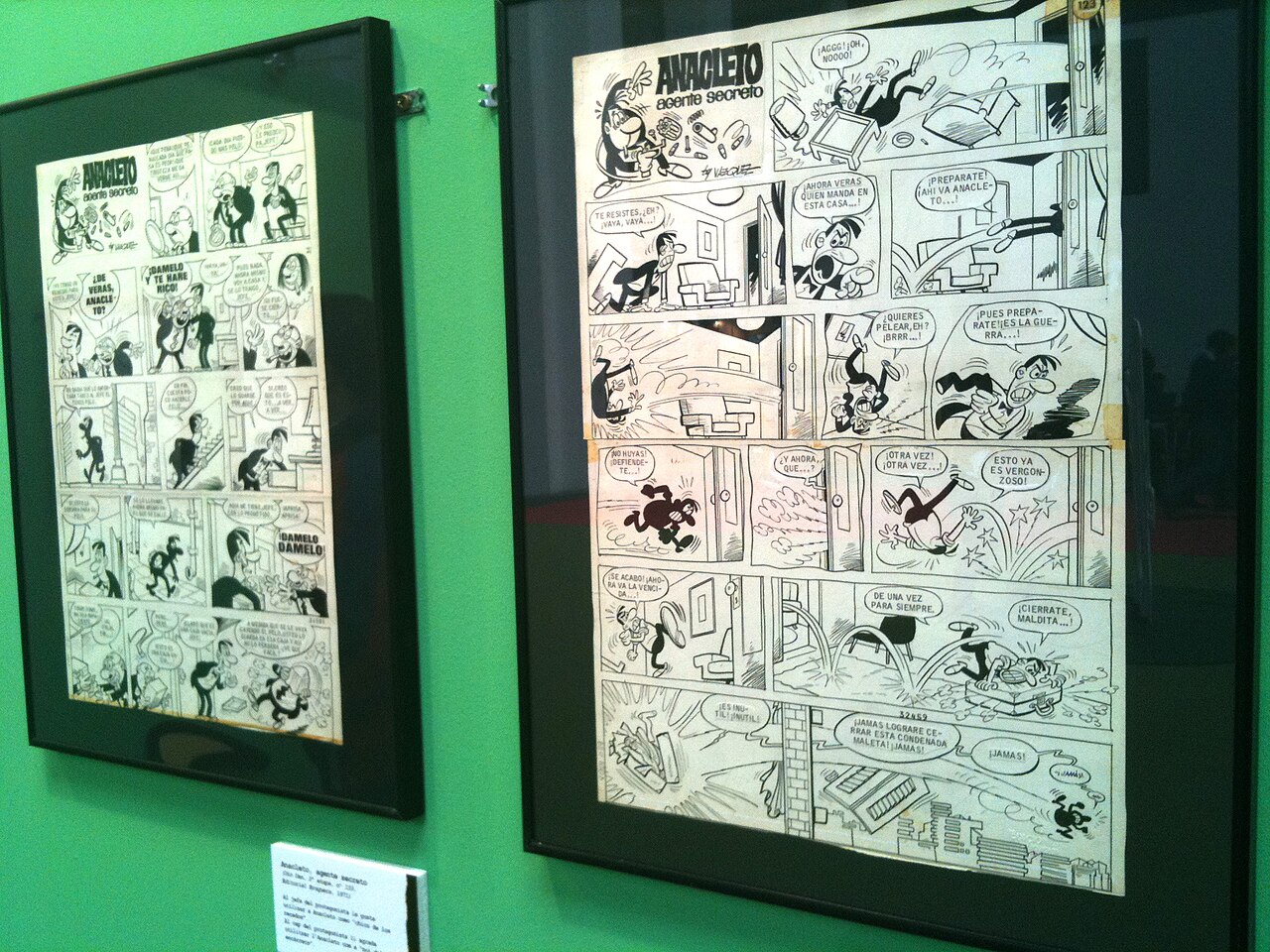
Our first journey into the world of "Agente Secreto" takes us back to Spain in 1964, with the debut of Manuel Vázquez Gallego's iconic comic strip, Anacleto, agente secreto. Published in the magazine Pulgarcito by Editorial Bruguera, Vázquez masterfully crafted a parody of the spy genre, far removed from the suave sophistication of James Bond. Instead, his inspiration was the American television series Get Smart, favoring meta-humor, slapstick, and the misadventures of its perpetually unlucky titular character, Anacleto.
Anacleto was a hapless spy whose missions, whether in the Gobi Desert or bustling urban settings, inevitably devolved into comedic chaos. Vázquez's distinctive Bruguera School style, characterized by schematic character designs, limited backgrounds, and an abundance of physical comedy, perfectly suited Anacleto's bungled exploits. The comic often featured Vázquez himself as the villain, "The Evil Vázquez," adding a layer of self-aware humor. Anacleto's enduring popularity led to numerous album collections and cemented its place as one of Vázquez's most beloved creations, even inspiring a street named Calle Anacleto Agente Secreto in Spain.
In 2015, the character leaped from page to screen with the live-action feature film Anacleto: Agente secreto, known internationally as Spy Time. Directed by Javier Ruiz Caldera, the film starred Imanol Arias as an older, somewhat jaded Anacleto, and Carlos Areces as Vázquez, blending action-comedy with nostalgic nods to the original strips. This adaptation brought the essence of the comic's humor and spy parody to a new generation, showcasing the timeless appeal of the character. To learn more about this iconic Spanish spy and his cinematic legacy, dive into Anacleto: Spain's Iconic Comic Spy and Film Legacy.
A Different Mission: The Brazilian Oscar Contender "The Secret Agent"
Shifting gears entirely, we arrive at the second, and dramatically different, "Agente Secreto." This film, officially titled The Secret Agent in English, is a powerful Brazilian drama that has garnered significant international attention, including four nominations for the 2026 Academy Awards, among them Best Picture and Best Actor for its star, Wagner Moura.
Directed by the critically acclaimed Kleber Mendonça Filho, The Secret Agent transports viewers to Brazil in 1977, a period marked by intense political turmoil under a military dictatorship. The film centers on Armando (portrayed by a compelling Wagner Moura), an activist and former professor living underground, constantly on the run from government forces. As he navigates a dangerous world of clandestine hideouts and fellow dissidents, Armando's primary struggle is not just survival, but also his desperate desire to reunite with his young son. This deeply moving and suspenseful narrative offers a poignant look at a dark chapter in Brazilian history, emphasizing themes of resilience, family, and the fight for freedom.
The film's critical reception has been overwhelmingly positive, praising its nuanced storytelling, powerful performances, and impeccable direction. Its Oscar nominations underscore its profound impact and its ability to resonate with global audiences. For those eager to experience this cinematic masterpiece, The Secret Agent is available to rent or buy on platforms such as Prime Video, Apple TV, and Hulu. Don't miss out on this Oscar-nominated drama; find out how to Stream The Secret Agent: Your Guide to the Oscar-Nominated Film.
A Tale of Two "Agente Secretos": Coincidence or Cultural Echo?
The existence of two distinct yet equally compelling cinematic works sharing the translated title "Agente Secreto" presents a fascinating case study. It’s a testament to the universal appeal and malleability of the "secret agent" archetype. While one film is a joyous, meta-comedic homage to spy spoofs rooted in a classic comic, the other is a stark, dramatic exploration of political repression and personal sacrifice.
This linguistic overlap highlights how a common, evocative phrase can be adopted across diverse cultures and genres to tell vastly different stories. In the case of Anacleto, the title is ironic, highlighting the character's profound ineptitude at being "secret." For the Brazilian film, The Secret Agent, the title is loaded with tension, referring to a protagonist forced into a clandestine existence, a true "secret agent" in a desperate fight against an oppressive regime. Both films, despite their vast differences in tone and origin, tap into our collective fascination with hidden worlds, covert operations, and the individuals who inhabit them.
Manuel Vázquez Gallego: The Master Behind the Mirth
To fully appreciate the comedic genius of Anacleto, agente secreto, one must understand its creator, Manuel Vázquez Gallego. Born in Madrid in 1930, Vázquez's artistic journey began amid the harsh realities of the Spanish Civil War. Despite his father's initial opposition, his passion for drawing led him to submit illustrations to publishers as a teenager. His professional career took off in the mid-1940s, and by 1947, he had joined Editorial Bruguera, where he would become a central figure for nearly four decades.
Vázquez's early Bruguera series, such as Heliodoro Hipotenuso (1948-1950) and Las Hermanas Gilda (from 1949), quickly established his signature style: an absurd, slapstick humor deeply rooted in everyday Spanish life. He had an uncanny ability to satirize domestic chaos and societal quirks, drawing heavily from his own observations and experiences. His iconic strips like La Familia Cebolleta (1951-1964) delighted readers with the misadventures of a bickering household, often mirroring his own family dynamics. Vázquez's prolific output and unique comedic voice made him a foundational figure in Spanish comics, influencing generations of cartoonists and leaving behind a legacy of laughter that continues to resonate today.
Navigating the Oscar Buzz: Why "The Secret Agent" Resonates
The critical acclaim and Oscar nominations for Kleber Mendonça Filho's The Secret Agent are well-deserved, underscoring its profound relevance and powerful storytelling. The film's setting—Brazil under military dictatorship in 1977—is not merely a backdrop but an essential character, shaping the lives and desperate choices of its protagonists. Mendonça Filho's direction is masterful, creating an atmosphere of palpable tension and dread, while also allowing moments of human connection and resistance to shine through.
Wagner Moura's portrayal of Armando is a tour de force, embodying the fear, resilience, and quiet determination of an activist fighting for survival and justice. His nomination for Best Actor is a testament to the depth and nuance he brings to the role. The film's ability to transcend its specific historical context and speak to universal themes of authoritarianism, freedom, and the enduring power of the human spirit is a key factor in its international success. As the 2026 Oscars approach, The Secret Agent stands out as a film that not only entertains but also provokes thought and encourages reflection on critical historical periods and their echoes in contemporary society. Its presence on the Best Picture shortlist solidifies its status as a significant piece of modern cinema, offering a crucial window into a dark, yet vital, part of global history.
In conclusion, the journey from a hilarious Spanish comic parody to a profound Brazilian Oscar contender under the umbrella of "Agente Secreto" is a testament to the rich tapestry of global cinema. While Vázquez's Anacleto, agente secreto brought laughter and meta-humor through its bumbling spy, Kleber Mendonça Filho's The Secret Agent offers a compelling, dramatic look at a nation's struggle for freedom. These two distinct works, sharing a translated title, brilliantly showcase the diverse ways in which the "secret agent" archetype can be interpreted, from slapstick comedy to poignant political drama, reminding us of the endless creativity and storytelling prowess across different cultures and eras.