Anacleto: Spain's Iconic Comic Spy and Film Legacy
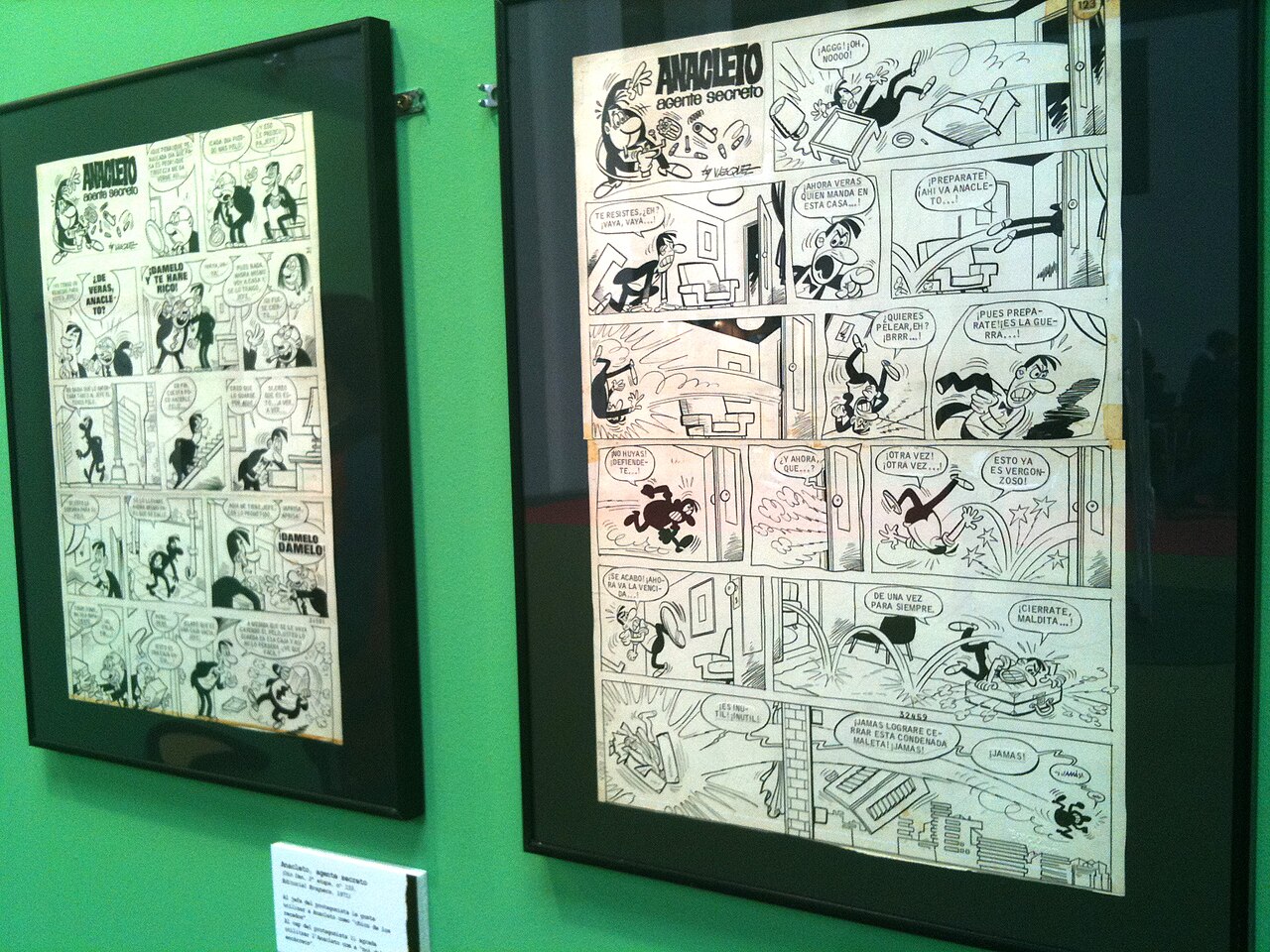
In the vibrant tapestry of Spanish comic history, few characters shine as brightly and enduringly as Anacleto, the quintessential Agente Secreto whose misadventures have captivated generations. Born from the brilliant mind of Manuel Vázquez Gallego in 1964, Anacleto redefined the spy genre with a unique blend of slapstick humor, absurd scenarios, and a distinctly Spanish sensibility. Far from the suave sophistication of James Bond, Anacleto offered readers a hapless, perpetually unlucky secret agent whose every mission was a guaranteed comedic catastrophe. This article delves into the origins of this beloved character, the genius of his creator, and his lasting impact, including his successful transition to the big screen.
The Genesis of a Hapless Hero: Manuel Vázquez and the Bruguera School
To truly appreciate Anacleto, one must first understand his creator, Manuel Vázquez Gallego (1930-1995), a foundational figure in Spanish comics and a cornerstone of Editorial Bruguera's golden age. Born in Madrid amidst the turmoil of the Spanish Civil War, Vázquez's early life experiences subtly influenced his later work, often imbuing his humor with a touch of everyday resilience and absurdity. Despite initial paternal opposition, his innate talent for drawing led him to publishing illustrations as a teenager, eventually joining Editorial Bruguera in 1947, where he would remain for nearly four decades.
Vázquez quickly became a prolific and celebrated artist, shaping what is now known as the "Bruguera School" style. This distinctive approach to comics emphasized rapid-fire visual gags, exaggerated physical comedy, and schematic character designs, often set against simplified urban backgrounds. It was a style perfectly suited for the weekly magazines like Pulgarcito, where his strips like Las Hermanas Gilda (from 1949), La Familia Cebolleta (1951-1964), and many others, satirized domestic chaos and everyday Spanish life with unparalleled wit.
In this fertile creative environment, Anacleto, agente secreto debuted in issue #1753 of Pulgarcito. Unlike his contemporaries who might have looked to James Bond for inspiration, Vázquez drew from the American television series Get Smart, embracing its parody of spy fiction. This choice cemented Anacleto's identity as a comedic anti-hero, whose espionage exploits were less about saving the world and more about hilariously failing to do so. His missions, frequently assigned by an exasperated boss, often saw him navigating absurd obstacles, from mirage-plagued treks in the Gobi Desert to unexpected encounters with sharks, all delivered with Vázquez's signature slapstick.
Anacleto's World: Parody, Slapstick, and Meta-Humor
Anacleto's enduring appeal lies in his brilliant subversion of the traditional spy narrative. He’s not a super-spy with cutting-edge gadgets but a bumbling figure, perpetually out of his depth. His 'secret agent' persona is often undermined by his own clumsiness and the sheer improbability of his situations. The comic strip thrived on:
- Slapstick Humor: Physical comedy is at the core of Anacleto’s adventures, with chases, falls, and improbable escapes forming the backbone of most gags.
- Absurd Scenarios: Vázquez delighted in placing Anacleto in outlandish situations that defy logic, turning routine spy missions into surreal farces.
- Schematic Character Designs: Adhering to the Bruguera School's aesthetic, characters were drawn with expressive simplicity, making their reactions and antics all the more impactful.
- Meta-Humor: A unique touch in Anacleto's world was Vázquez himself appearing as a recurring villain, "The Evil Vázquez," breaking the fourth wall and adding a layer of self-aware parody that was ahead of its time. Other recurring antagonists, like Professor Boro, further populated this chaotic universe.
This approach allowed Anacleto, agente secreto to carve out its own niche, resonating with readers who appreciated humor rooted in relatable misfortune rather than aspirational heroism. It captured the spirit of an ordinary person trying (and mostly failing) to navigate an extraordinary world, a theme that has broad appeal.
From Page to Screen: Anacleto's Enduring Film Legacy
Anacleto's popularity wasn't confined to the pages of Pulgarcito. The strips were compiled into album collections by Bruguera starting in 1971, then by Ediciones B in the 1980s, and later received luxury reprints in RBA's Clásicos del humor series in 2009, testifying to his lasting cultural relevance. But the character's reach extended beyond print, entering the cinematic realm in various forms.
One notable appearance was in the 2010 biographical film El Gran Vázquez, which chronicled the chaotic life of his creator. Anacleto made an animated cameo, a fitting tribute to his integral role in Vázquez's legacy. However, it was the 2015 live-action feature film, titled Anacleto: Agente secreto (internationally known as Spy Time), that truly brought the character into the mainstream cinematic spotlight. Directed by Javier Ruiz Caldera, the film starred Imanol Arias as the titular spy and Carlos Areces as Vázquez, blending action-comedy with heartfelt nostalgic references to the original strips. The movie successfully captured the essence of Anacleto's character, updating his bungled espionage for a modern audience while retaining the charm and humor that made the comic strip so beloved.
The film's success showcased the timeless appeal of Vázquez's creation and solidified Anacleto's place as a cultural icon. The character's impact is further demonstrated by unique tributes, such as the street named Calle Anacleto Agente Secreto in Rivas-Vaciamadrid, Spain, a testament to his ingrained presence in Spanish popular culture.
Navigating "Agente Secreto": Distinguishing Anacleto from Other Cinematic Spies
While Anacleto is undoubtedly a premier "Agente Secreto" in the Spanish comic universe, the term itself can refer to various works across different cultures and contexts. For instance, recent film discussions might bring to mind another acclaimed production titled "The Secret Agent" (or sometimes translated as "Agente Secreto"), which garnered significant buzz and Oscar nominations in 2026. This acclaimed film, directed by Kleber Mendonça Filho and starring Wagner Moura, tells the compelling story of an activist on the run from government forces in Brazil during the 1977 military dictatorship. It's a powerful drama, recognized for its poignant storytelling and stellar performances, standing in stark contrast to Anacleto's comedic capers.
It's crucial for viewers and readers to distinguish between these two distinct entities that share a translated title or keyword. While both feature a character undertaking secretive operations, their genres, tones, and cultural origins are worlds apart. Anacleto invites laughter and lighthearted escapism, a parody firmly rooted in the Bruguera School's comedic tradition. "The Secret Agent" (the Brazilian film), on the other hand, offers a gripping and often somber look at political turmoil and personal struggle. If you're interested in exploring this critically acclaimed Brazilian film, you can find more information and viewing options in our guide: Stream The Secret Agent: Your Guide to the Oscar-Nominated Film. For a broader perspective on how the term "Agente Secreto" spans genres from comic parody to Oscar-contending drama, explore Agente Secreto: From Comic Parody to Brazilian Oscar Contender.
Practical Tip for Anacleto Enthusiasts: For those eager to dive into Anacleto's comic adventures, look for the RBA's Clásicos del humor collections or Ediciones B reprints, which are often available in Spanish bookstores or online. The 2015 film Anacleto: Agente secreto (Spy Time) is also a fantastic entry point for those who prefer cinematic adaptations and can usually be found on various streaming or rental platforms that offer international cinema.
Conclusion
Anacleto, Agente Secreto, stands as a vibrant testament to the creative genius of Manuel Vázquez Gallego and the enduring appeal of intelligent humor. From his humble beginnings in Pulgarcito to his triumphant cinematic debut, Anacleto has consistently provided laughter and a unique perspective on the spy genre. He's a character who reminds us that heroism isn't always about flawless execution, but sometimes, it's simply about hilariously muddling through. His legacy continues to inspire, reminding us of the power of comics to capture the human spirit, foibles and all, and leaving an indelible mark on Spain's cultural landscape.